7 Tricks to Top Physics Aptitude Test (PAT) for admission to Cambridge and Oxford

Here are some steps you can take to prepare for the PAT (Physics Aptitude Test) for admission to Cambridge and Oxford:

  1. Familiarize yourself with the test format and content: Make sure you understand what types of questions will be on the test, how much time you’ll have for each section, and what topics will be covered.
  2. Study the syllabus: Make sure you understand the topics that will be covered on the test and that you have a good grasp of the fundamental concepts.
  3. Practice, practice, practice: There are many practice tests and sample questions available online that you can use to get a feel for the types of questions that will be on the test.
  4. Brush up on your mathematics skills: A strong understanding of mathematics is important for success on the PAT, as many of the questions involve mathematical calculations and problem-solving.
  5. Read widely: Make sure you’re familiar with the latest developments and advancements in physics, as well as the history of the field.
  6. Get help if needed: Consider working with a tutor or taking a course to help you prepare for the test.
  7. Stay relaxed and focused: On the day of the test, make sure you get plenty of rest, eat a nutritious meal, and arrive at the testing center feeling calm and focused.

Remember, preparation is key to success on the PAT. The more you study and practice, the more confident you’ll feel on test day.

Need help to prepare for the Physics Aptitude Test (PAT) for admission to Cambridge and Oxford? Need Past solved papers with explanations just write us by filling the form below.

Go back

Your message has been sent

Warning
Warning
Warning
Warning.

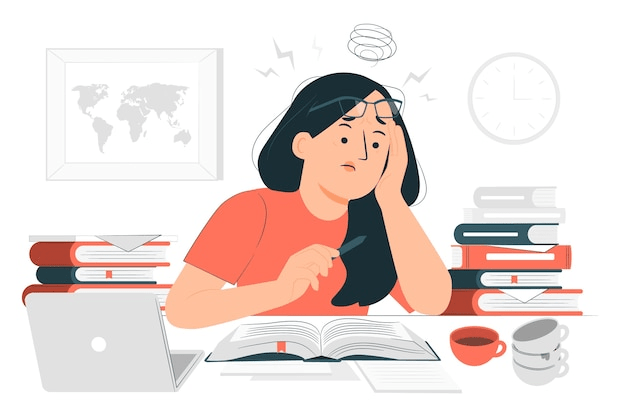
8 proven methods for students to remove stress and anxiety

High school students often face significant stress and anxiety, both inside and outside of the classroom. However, there are many ways that students can cope with these feelings to maintain their mental and emotional well-being. Here are some strategies that can help:

  1. Exercise regularly: Exercise has been shown to help relieve stress and anxiety. Find an activity that you enjoy, such as jogging, yoga, or dancing, and make time for it regularly.
  2. Practice deep breathing and mindfulness: Deep breathing and mindfulness can help you calm your mind and reduce feelings of stress and anxiety. Take a few minutes each day to focus on your breathing and be present in the moment.
  3. Get enough sleep: Lack of sleep can exacerbate feelings of stress and anxiety. Make sure you are getting enough sleep each night and establish a consistent sleep schedule.
  4. Connect with others: Talking to friends, family members, or a trusted adult can help you process your feelings and find support. Joining a club or group activity can also help you connect with others and reduce feelings of loneliness.
  5. Write it down: Keeping a journal can be a helpful way to process your thoughts and emotions. Write down your worries, fears, and stressors, and try to find positive ways to reframe your thoughts.
  6. Find a stress-relieving activity: Everyone has different ways of coping with stress. Find an activity that helps you relax and reduce stress, such as art, music, or reading.
  7. Seek professional help: If your stress and anxiety are overwhelming and affecting your daily life, consider seeking help from a mental health professional, such as a counselor or therapist.
  8. Limit caffeine and sugar: Caffeine and sugar can increase feelings of stress and anxiety. Try to limit your intake of these substances and focus on eating a balanced diet.

Remember, it is normal to feel stress and anxiety at times. By using these strategies and seeking support when needed, students can better manage their stress and anxiety and maintain their mental and emotional well-being.

10 Proven study tips and techniques for high school students

Here are some proven study tips and techniques for high school students:

  1. Create a study schedule: Set aside dedicated time for studying each day and stick to your schedule as much as possible. This will help you stay focused and avoid last-minute cramming.
  2. Use active learning techniques: Instead of just passively reading your notes, try to actively engage with the material by writing notes, summarizing key points, and solving problems.
  3. Practice recalling information: Try to recall information from memory, without looking at your notes, as a way to reinforce your understanding of the material.
  4. Use mnemonics: Mnemonics are memory aids that help you associate new information with something you already know. For example, “Please Excuse My Dear Aunt Sally” can be used to remember the order of mathematical operations (Parentheses, Exponents, Multiplication, Division, Addition, Subtraction).
  5. Take breaks: Regular breaks can help you avoid burnout and increase your overall productivity. Take a short break every hour or so to recharge and refocus.
  6. Study in a quiet, well-lit place: Find a quiet and well-lit place to study where you can minimize distractions and focus on your work.
  7. Get enough sleep: Sleep is essential for memory consolidation and cognitive function. Make sure you are getting enough sleep each night to support your academic performance.
  8. Stay organized: Keep your study materials organized and easily accessible. Use binders, folders, or flashcards to help you keep track of what you have learned.
  9. Seek help when needed: If you are struggling with a particular subject or concept, don’t be afraid to ask for help. Talk to your teacher, classmates, or a tutor for assistance.
  10. Reward yourself: Finally, make sure to reward yourself for your hard work. Set achievable goals and celebrate your successes along the way. This will help keep you motivated and focused on your studies.

By following these tips and techniques, high school students can improve their study habits and achieve their academic goals. Remember to be patient, persistent, and stay focused on your studies, and you will be on your way to success.

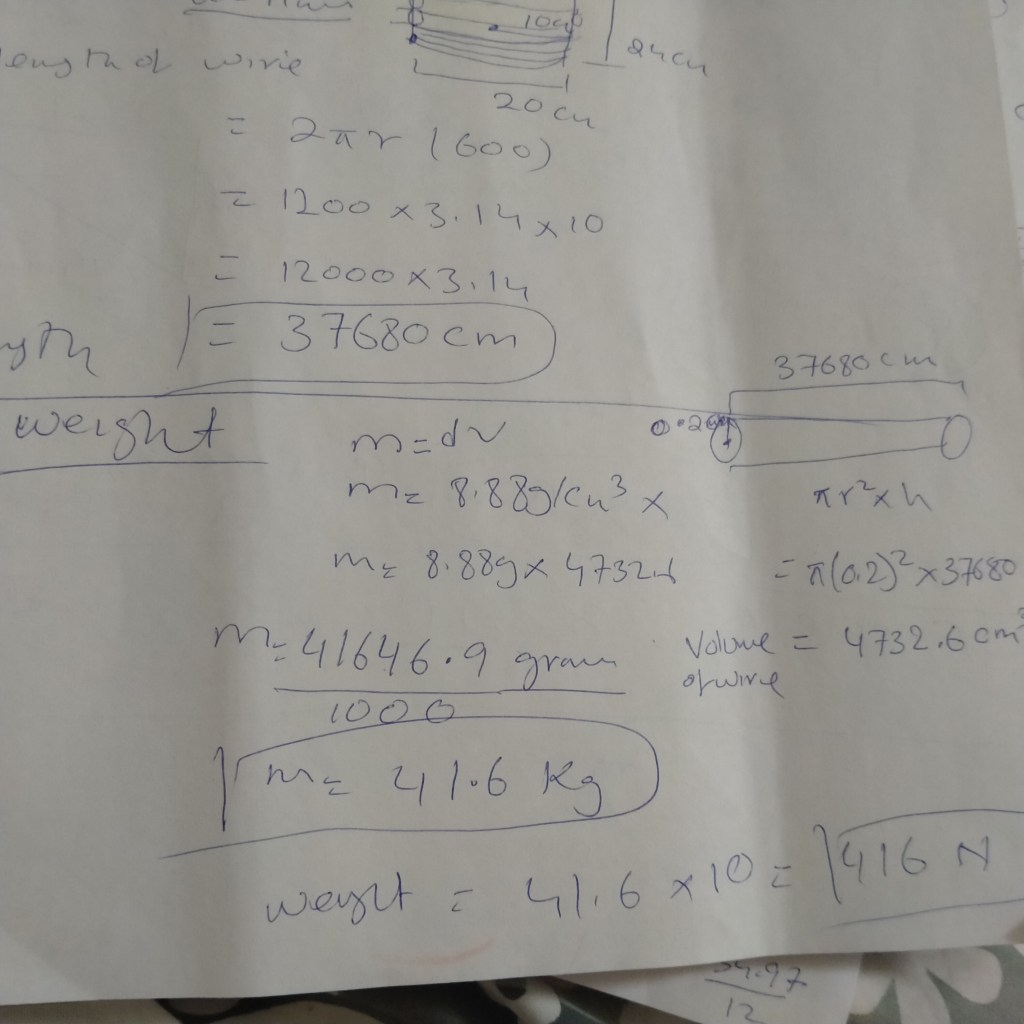
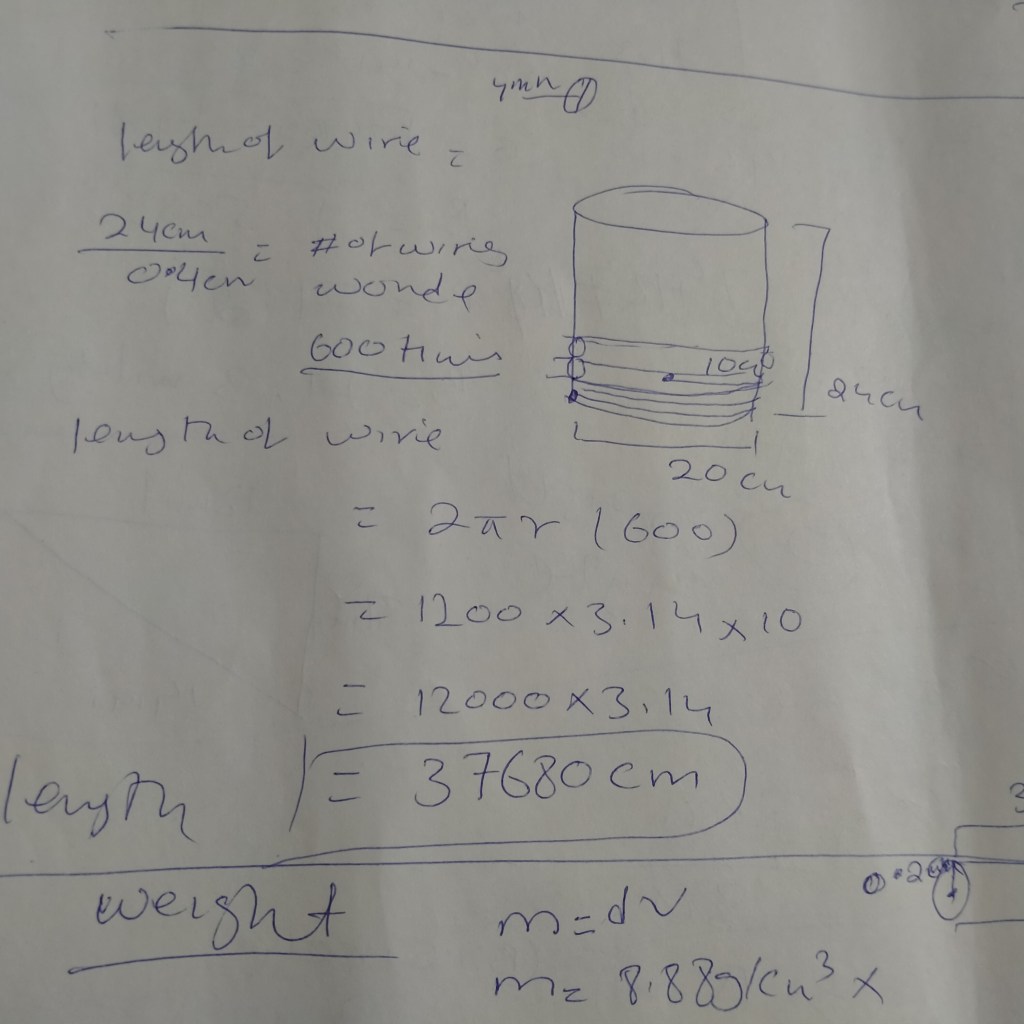
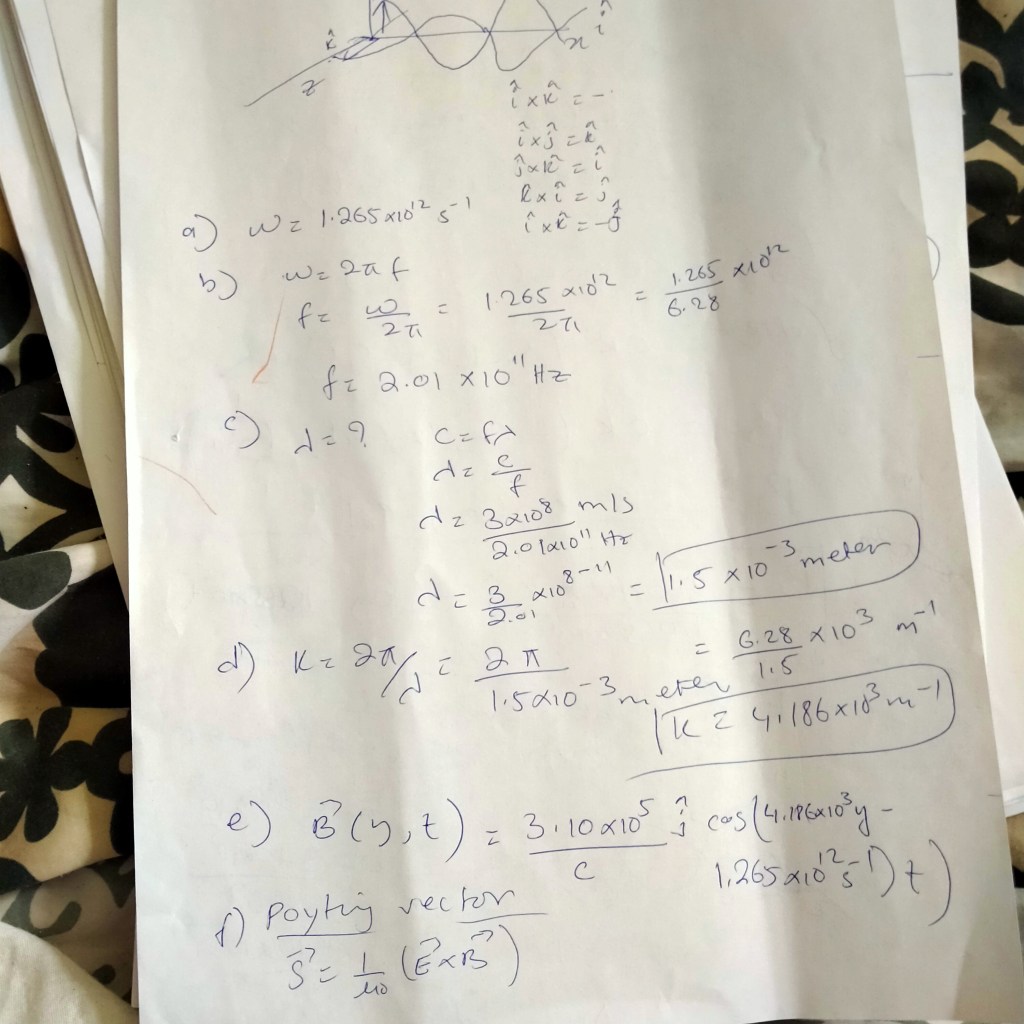
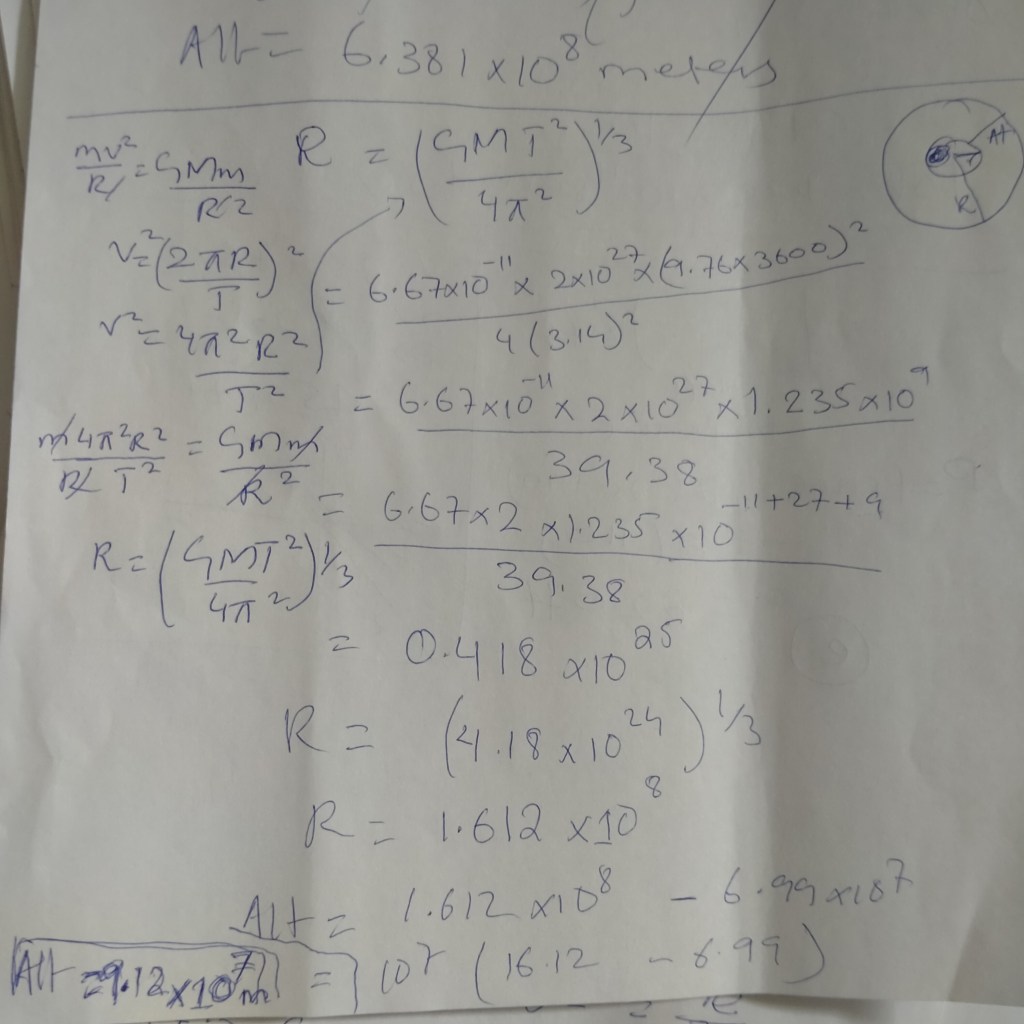
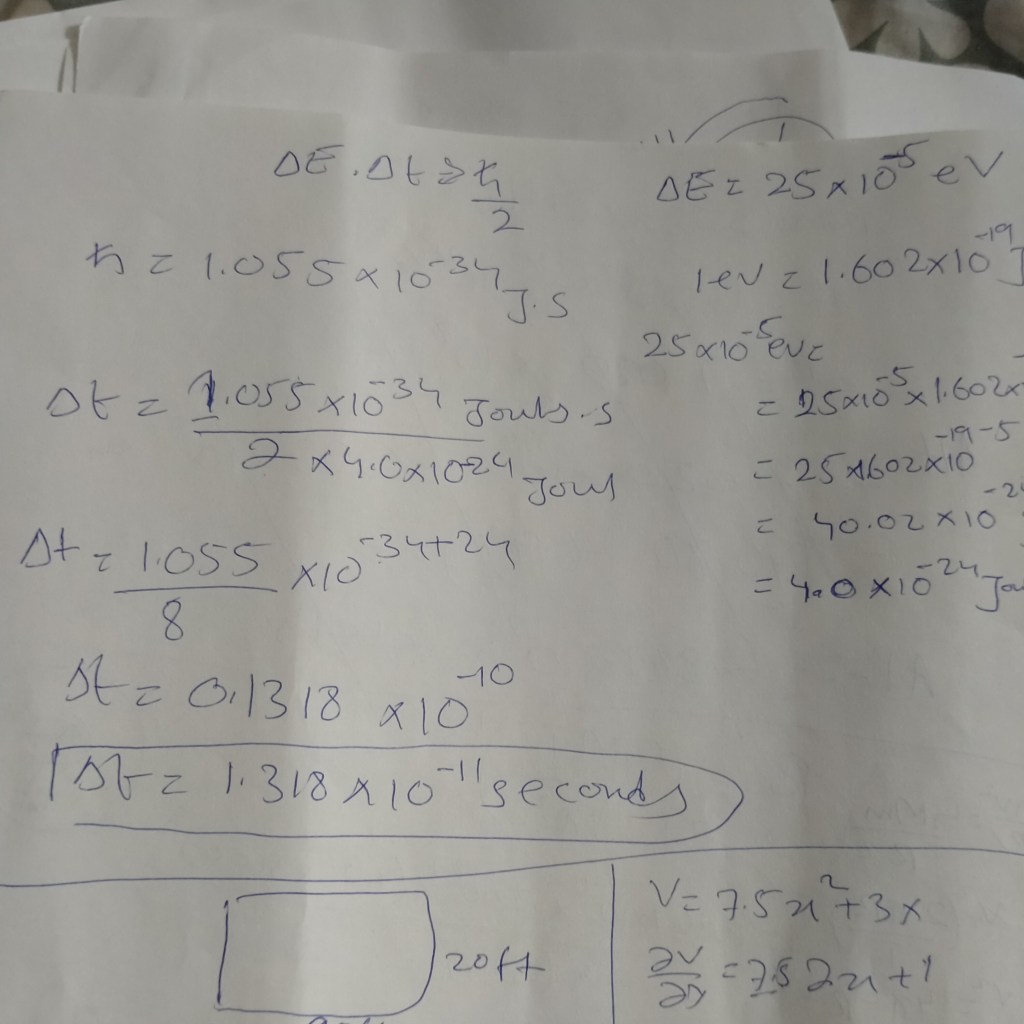
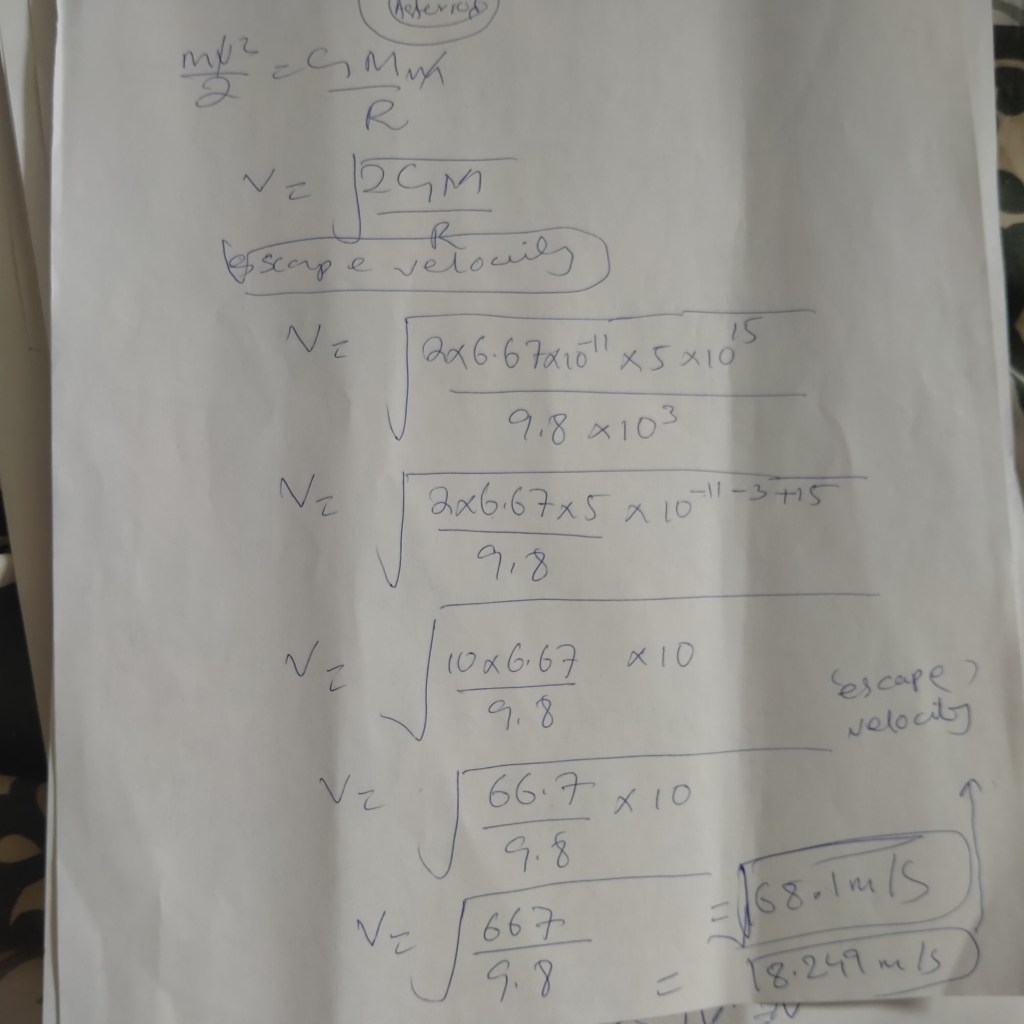
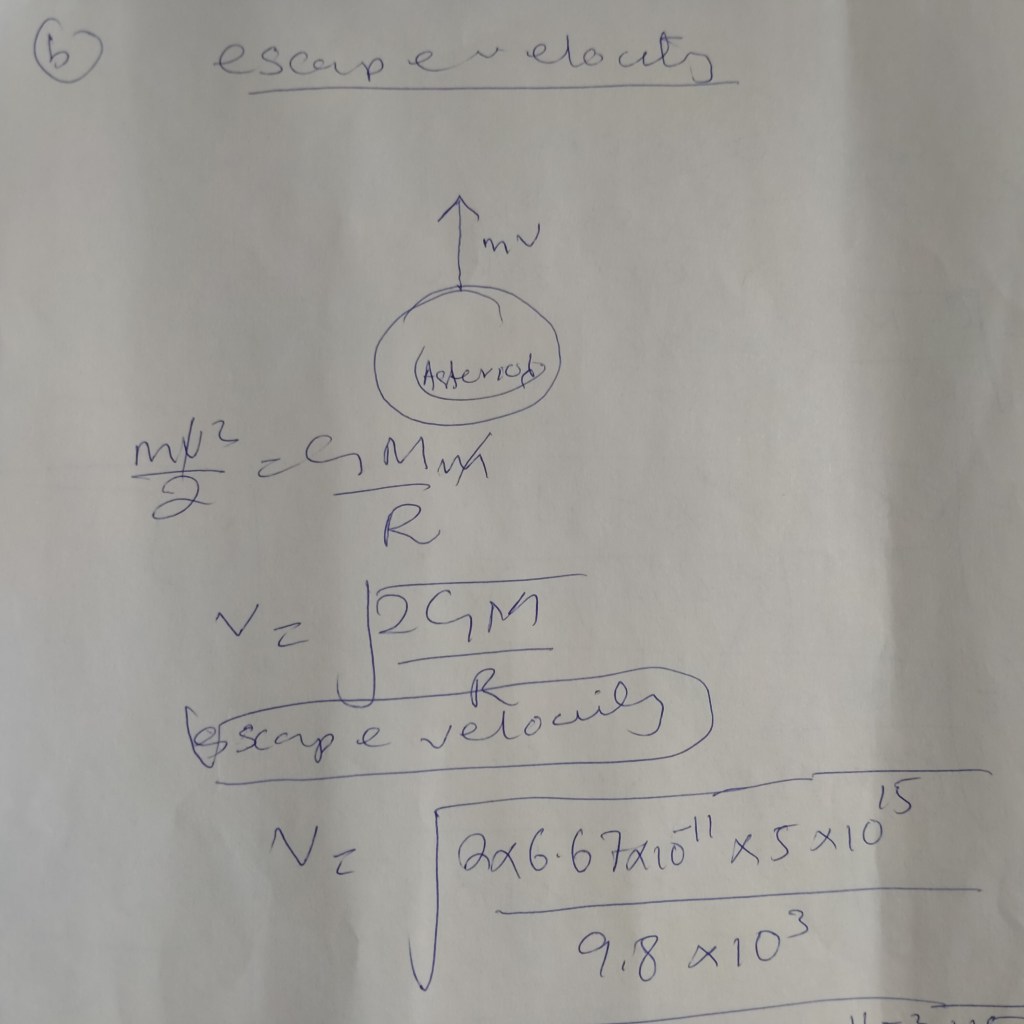
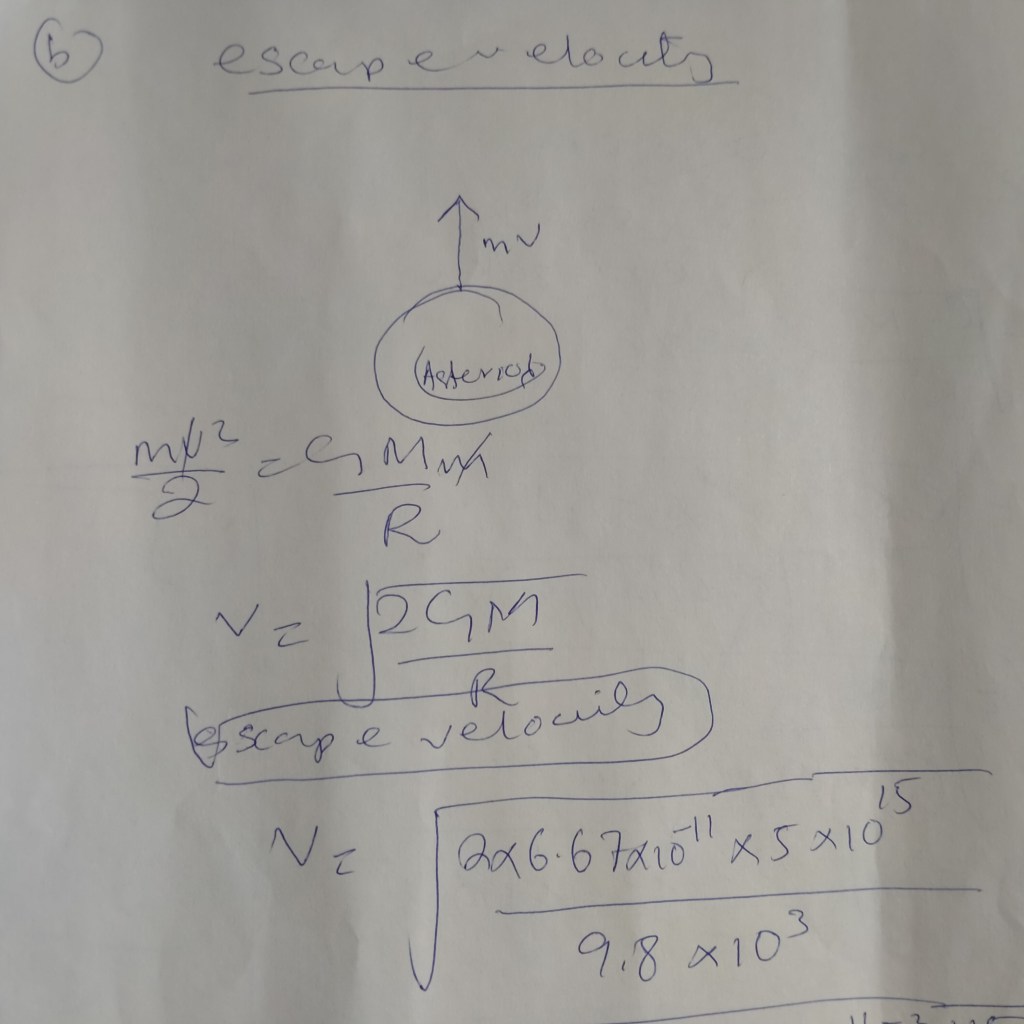
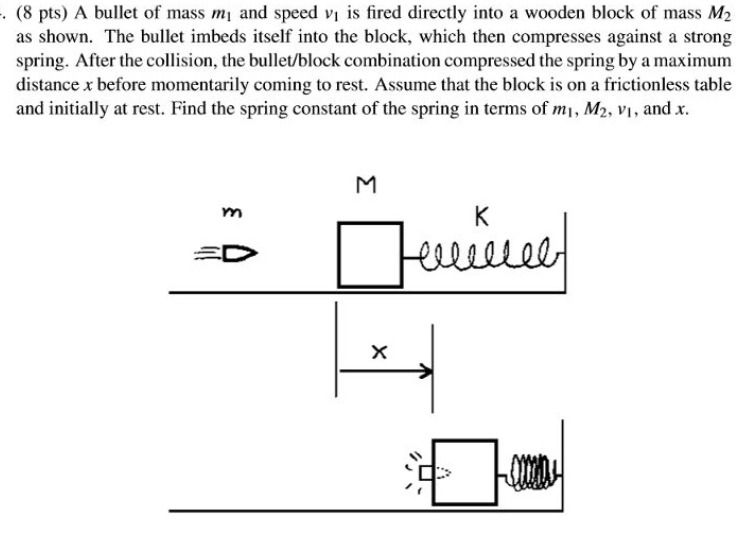
Physics Aptitude Test (PAT ) 2019, Problem 12- Solution, University of Oxford Admission Test.

Physics Aptitude Test (PAT ) 2019, Problem 12- Solution, University of Oxford Admission Test. http://www.moscowtutors.com contact@moscowtutors.com https://www.facebook.com/MoscowTutors/?ref=search&__tn__=%2Cd%2CP-R&eid=ARCiHNgIF7N0uRY-rvSy6GqBXdc0G7L1SDrE7h8v_BPVAlC_0nSlR85G2wnvoCO_PJX2FKxm3Xos84Jr